Chronic Kidney Disease (CKD) is increasingly prevalent in India, largely due to diabetes and lifestyle factors, necessitating focused dietary interventions for improved patient outcomes․
Prevalence of CKD in India
Chronic Kidney Disease (CKD) is experiencing a rapid rise in India, becoming a significant public health concern․ Driven primarily by the escalating rates of diabetes and hypertension, alongside changing lifestyles, the incidence is alarmingly high․ Many individuals remain unaware of their condition in its early stages, leading to delayed diagnosis and treatment․
Recent data indicates a substantial increase in CKD cases across various demographics․ This surge necessitates proactive measures, including widespread awareness campaigns and accessible diagnostic facilities; Furthermore, a tailored Indian diet chart for kidney patients is crucial, considering the unique dietary habits and food availability within the country․ Early intervention through dietary management can significantly slow disease progression and improve quality of life for affected individuals․
The Role of Diet in Managing Kidney Health
Diet plays a pivotal role in both preventing and managing Chronic Kidney Disease (CKD)․ For individuals in India, adapting traditional dietary patterns is essential․ A well-planned Indian diet chart for kidney patients focuses on reducing the workload on the kidneys by controlling intake of key nutrients like protein, sodium, potassium, and phosphorus․
Prioritizing plant-based foods, whole grains, and carefully selected fruits and vegetables can significantly contribute to kidney health․ Limiting processed foods, excessive salt, and sugary beverages is equally important․ Dietary modifications, alongside medical treatment, can help slow disease progression, manage symptoms, and improve overall well-being․ Personalized dietary guidance, considering individual needs and disease stage, is paramount for optimal outcomes․
Understanding Key Dietary Components
Managing kidney health requires careful attention to protein, sodium, potassium, and phosphorus levels within an Indian diet chart, impacting disease progression․
Protein Intake for Kidney Patients
Protein management is crucial for individuals with Chronic Kidney Disease (CKD)․ While essential for bodily functions, excessive protein intake can overburden compromised kidneys, accelerating disease progression․ An Indian diet chart for kidney patients must carefully moderate protein consumption, typically ranging from 0․8 to 1․0 grams per kilogram of body weight daily, depending on the CKD stage․
Prioritizing high-quality protein sources is vital․ Plant-based proteins, like lentils, chickpeas, and kidney beans (in moderation due to potassium and phosphorus), are generally preferred over red meat․ Dairy should be limited․ The focus should be on distributing protein intake evenly throughout the day, rather than consuming large amounts in a single meal․ Regular monitoring of kidney function and adjusting protein intake based on lab results is essential, guided by a nephrologist and registered dietitian․
Sodium Restriction and Kidney Disease
Sodium control is paramount in managing kidney disease, as excess sodium leads to fluid retention and increased blood pressure, further straining the kidneys․ An Indian diet chart for kidney patients must drastically limit sodium intake, ideally to less than 2000mg per day․ This requires significant dietary adjustments, given the prevalence of salt in Indian cuisine․
Avoid processed foods, packaged snacks, and restaurant meals, which are typically high in hidden sodium․ Cooking at home allows for precise sodium control․ Utilize herbs, spices, and lemon juice to enhance flavor instead of salt․ Carefully read food labels and choose low-sodium options․ Be mindful of ingredients like soy sauce, pickles, and papad, which are often sodium-rich․ Consistent monitoring of blood pressure and fluid balance is crucial to assess the effectiveness of sodium restriction․
Potassium Control in Renal Diets
Potassium management is critical for kidney patients, as impaired kidney function can lead to dangerously high potassium levels (hyperkalemia)․ An Indian diet chart needs careful consideration of potassium content in commonly consumed foods․ While potassium is essential, excessive intake can cause cardiac arrhythmias․
High-potassium foods like bananas, oranges, potatoes, tomatoes, and spinach require moderation or avoidance, depending on individual kidney function and blood test results․ Leaching potassium from vegetables by soaking and boiling them can reduce their potassium content․ Prioritize lower-potassium fruits like apples, grapes, and berries․ Regular blood tests are vital to monitor potassium levels and adjust dietary intake accordingly․ Understanding portion sizes is also key to maintaining potassium balance within a safe range․
Phosphorus Management for Kidney Health
Phosphorus control is paramount in kidney disease, as failing kidneys struggle to eliminate excess phosphorus, leading to renal osteodystrophy and cardiovascular complications․ An Indian diet chart must address phosphorus levels in traditional foods․ Many Indian staples, like dairy products, legumes, and nuts, are naturally high in phosphorus․
Limiting these foods, or choosing lower-phosphorus alternatives, is crucial․ Phosphate binders, prescribed by a doctor, can help reduce phosphorus absorption during meals․ Reading food labels carefully is essential to identify hidden phosphorus additives common in processed foods․ Prioritizing fresh, whole foods over processed options aids phosphorus control․ Regular monitoring of phosphorus levels through blood tests is vital for personalized dietary adjustments and optimal kidney health management․
Indian Diet Chart Essentials for Kidney Patients
A tailored Indian diet emphasizes plant-based foods, whole grains, and controlled protein, sodium, potassium, and phosphorus intake for optimal kidney function and wellbeing․
Focus on Plant-Based Foods
Prioritizing plant-based foods is fundamental in an Indian diet for kidney patients․ These foods are naturally lower in phosphorus and potassium compared to animal products, easing the burden on compromised kidneys․ Incorporate a variety of fresh fruits and vegetables – mindful of potassium content – alongside lentils, legumes, and whole grains․
Indian cuisine offers a wealth of plant-based options․ Explore dishes featuring dal (lentils), sabzi (vegetable curries), and incorporate leafy greens like spinach and methi in moderation․ Remember, portion control is key․ Plant-based proteins, while beneficial, still contribute to overall protein intake, which needs careful management․ A diet rich in plant sources supports overall health and can significantly slow the progression of kidney disease․
Importance of Whole Grains
Whole grains play a crucial role in a kidney-friendly Indian diet, providing sustained energy and essential nutrients with a lower phosphorus content than refined grains․ Opt for choices like brown rice, whole wheat roti, and dalia (broken wheat) over white rice and refined flour products․ These options offer fiber, aiding digestion and promoting gut health, which indirectly supports kidney function․
However, portion sizes remain vital․ While healthier, whole grains still contain phosphorus and potassium․ Integrating them thoughtfully into meals, alongside ample vegetables, ensures a balanced intake․ Consider incorporating millets like ragi and bajra, traditional Indian grains known for their nutritional benefits and relatively lower phosphorus levels․ Prioritize whole, unprocessed grains for optimal kidney health support․
Fruits and Vegetables: Safe Choices
Fruits and vegetables are vital for overall health, but careful selection is key for kidney patients due to potassium content․ Lower-potassium options like apples, berries, grapes, and peaches are generally well-tolerated․ Regarding vegetables, cauliflower, cabbage, capsicum (bell peppers), and onions are safer choices compared to potatoes, spinach, and tomatoes․
Preparation methods matter; leaching vegetables by soaking and boiling them can reduce potassium levels․ Prioritize fresh produce over canned, as canned options often contain added sodium․ A colorful plate, incorporating a variety of these safe fruits and vegetables, provides essential vitamins and antioxidants․ Remember to consume them in moderation as part of a balanced diet, guided by individual kidney function and lab results․

Healthy Fats and Oils
Healthy fats are crucial for energy and nutrient absorption, but portion control is vital for kidney patients․ Focus on unsaturated fats found in sources like olive oil, canola oil, and certain nuts and seeds․ These support heart health, a significant concern for individuals with CKD․ Avoid excessive intake of saturated and trans fats, commonly found in processed foods and red meat․
In the Indian context, using oils like rice bran oil or groundnut oil in moderation can be acceptable․ Omega-3 fatty acids, present in flaxseeds and walnuts, offer anti-inflammatory benefits․ However, always consult a dietitian to determine appropriate quantities based on individual needs and lipid profiles․ Prioritize healthy cooking methods like steaming, grilling, or baking to minimize added fats․
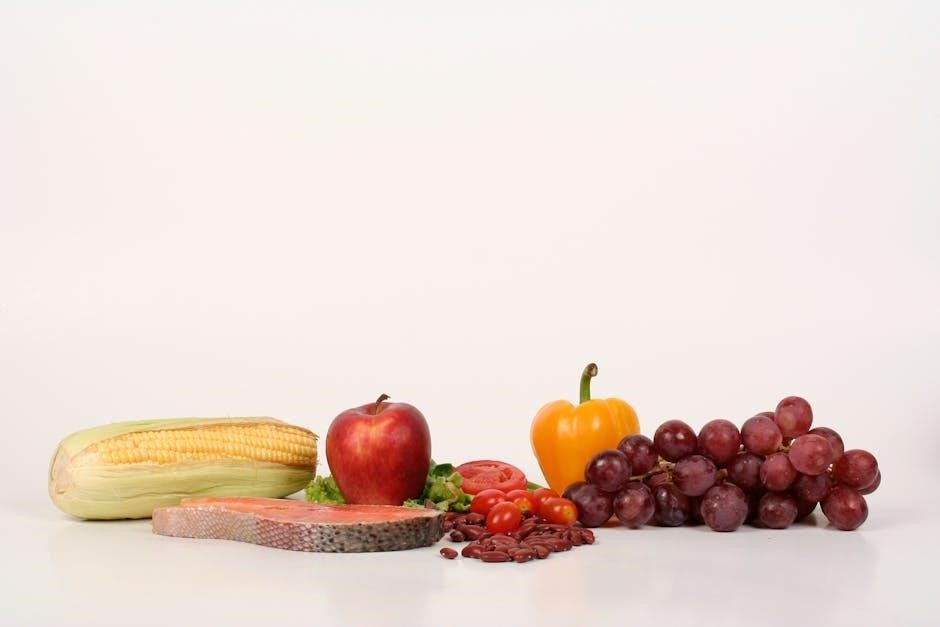
Sample Indian Meal Plan for Kidney Patients
A tailored meal plan, emphasizing plant-based proteins and controlled portions, is essential for managing kidney health within the context of Indian culinary traditions․
Breakfast Options
Starting the day with a kidney-friendly breakfast is crucial․ Consider upma made with semolina and low-sodium vegetable broth, ensuring portion control․ Poha, prepared with minimal salt and oil, offers a lighter alternative․ Idli and dosa, staples in South Indian cuisine, can be included, but pair them with sambar made with limited potassium-rich vegetables like spinach․
Avoid high-phosphorus cereals and excessive amounts of coconut chutney․ A small serving of fruit, such as apple slices or pear, can be added, keeping potassium levels in mind․ Prioritize homemade options to control sodium content․ Remember to monitor fluid intake alongside breakfast․ A small glass of diluted buttermilk can be a refreshing and kidney-conscious choice, providing probiotics․
Lunch Ideas
A balanced lunch is vital for kidney health․ Opt for roti (whole wheat flatbread) made with low-sodium dough, paired with a vegetable sabzi – cauliflower, cabbage, and carrots are good choices․ A small portion of dal (lentils) can provide protein, but monitor potassium and phosphorus content; red lentils are generally preferred․
Rice should be consumed in moderation, and brown rice is a healthier alternative․ Avoid pickles and processed foods high in sodium․ A small serving of yogurt (unsweetened) can aid digestion․ Ensure vegetables are cooked without excessive salt or oil․ Consider a kidney-friendly khichdi (rice and lentil porridge) as a comforting and easily digestible option․ Hydration is key; drink water throughout the meal, but avoid overconsumption․
Dinner Suggestions
Dinner should be light and easy to digest, allowing kidneys to rest overnight․ Roti remains a good staple, alongside a smaller portion of vegetable curry – prioritize low-potassium options like pumpkin or bottle gourd․ Avoid creamy or heavily spiced dishes․ A small serving of protein, such as baked or grilled fish (if permissible based on individual needs), can be included․
Soups made with permitted vegetables are excellent choices․ Limit rice consumption at dinner; Steer clear of processed meats, salty snacks, and fried foods․ A simple dal-roti combination is often well-tolerated․ Remember to control portion sizes and focus on fresh, whole ingredients․ Maintaining adequate hydration, but avoiding excessive fluid intake before bed, is also crucial․
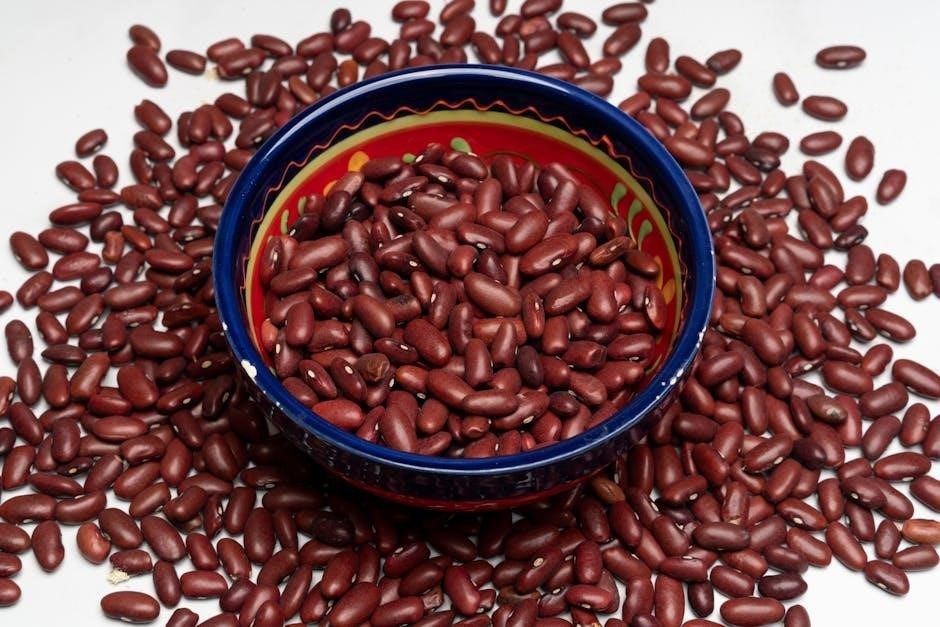
Snack Choices
Snacks for kidney patients require careful consideration to manage electrolyte imbalances and protein intake․ Small portions are key․ Opt for fruits like apples or pears (in moderation due to potassium), but always check with a dietitian․ Cucumber slices offer hydration with low potassium․ Unsalted popcorn can be a satisfying, low-phosphorus option․
Avoid high-sodium snacks like chips or namkeen․ Homemade, lightly seasoned roasted chickpeas can provide a protein boost․ Small servings of vegetable soup are also suitable․ Remember to space snacks between meals to maintain stable blood sugar and avoid overloading the kidneys․ Prioritize fresh, unprocessed options and monitor your body’s response to each snack․
Specific Foods to Include & Avoid
Prioritize fresh fruits, vegetables, and whole grains while limiting processed foods, salt, sugar, and excessive protein to support optimal kidney function․
Foods to Prioritize
For kidney patients in India, a plant-forward dietary approach is crucial․ Focus on incorporating a variety of fresh fruits like apples, berries, and pears, ensuring portion control due to potassium levels․ Vegetables such as cauliflower, cabbage, and capsicum are excellent choices․ Whole grains – brown rice, quinoa, and whole wheat – provide sustained energy and fiber․
Plant-based proteins, like lentils and legumes (in moderation), are preferable to animal sources․ Healthy fats from olive oil and small amounts of nuts are beneficial․ Prioritizing these foods supports kidney health, manages electrolyte balance, and contributes to overall well-being․ Remember hydration is key, alongside mindful eating practices․
Foods to Limit or Avoid
Indian cuisine, while flavorful, often contains ingredients kidney patients should limit․ High-sodium foods like pickles, papads, and processed snacks must be restricted to manage blood pressure and fluid retention․ Certain vegetables – spinach, potatoes, tomatoes – are high in potassium and phosphorus, requiring portion control or avoidance depending on lab values․
Red meat and full-fat dairy should be consumed sparingly due to their phosphorus content and protein load․ Avoid excessive sugar and sugary beverages․ Limit pulses and legumes if phosphorus levels are elevated․ Be cautious with coconut water, known for its potassium․ Prioritizing mindful eating and understanding ingredient lists is vital for effective kidney disease management․
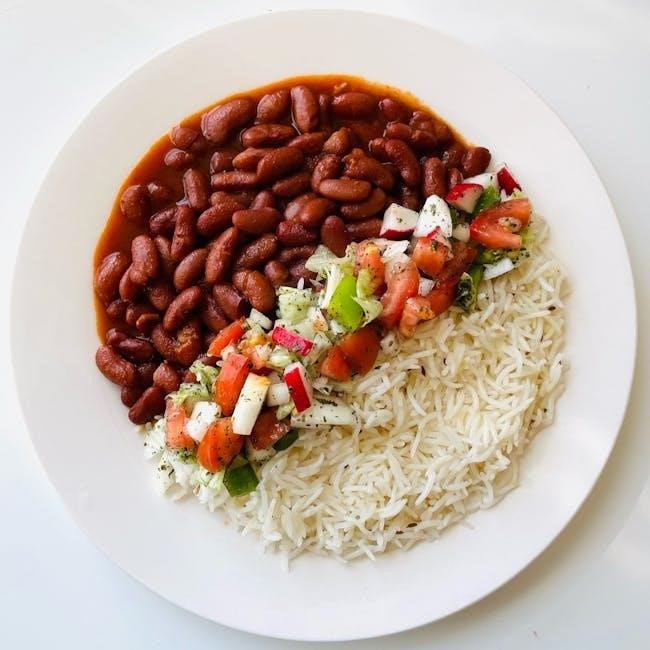
Resources and Support
Kidneyhood․org provides evidence-based dietary guides, while Indian research focuses on personalized kidney failure prediction, aligning with KDIGO guidelines for optimal care․
Kidneyhood․org Guide
Kidneyhood․org recently launched “The Evidence-Based Guide to Kidney and Renal Diets,” a comprehensive resource designed to empower patients and caregivers with the knowledge needed to navigate dietary restrictions associated with Chronic Kidney Disease (CKD)․ This guide is particularly valuable for individuals seeking information tailored to managing kidney health through nutrition․
It stands out as the first and only resource of its kind, offering detailed insights into appropriate food choices, meal planning strategies, and understanding the impact of various nutrients on kidney function․ The guide emphasizes a holistic approach, recognizing that dietary needs vary based on the stage of CKD and individual health factors․
For those specifically looking for an Indian diet chart for kidney patients, while the guide isn’t exclusively focused on Indian cuisine, the principles outlined can be readily applied to create culturally appropriate meal plans․ It provides a strong foundation for understanding renal diets, enabling individuals to work with healthcare professionals to develop a personalized plan․
Indian Research on Kidney Failure Prediction
An Indian research consortium is actively working to validate a risk equation specifically designed to predict kidney failure within the Indian population․ This initiative aims to enable more personalized and effective treatment strategies for CKD patients across the country․ Accurate prediction of kidney failure progression is crucial for timely intervention, including dietary modifications․
While this research doesn’t directly produce an Indian diet chart for kidney patients PDF, the insights gained from predicting disease progression will inform more targeted dietary recommendations․ Understanding individual risk factors allows healthcare providers to tailor nutritional guidance to slow the decline of kidney function․
The development of such a predictive model, coupled with adherence to appropriate dietary guidelines, represents a significant step towards improving outcomes for individuals with CKD in India․ This research underscores the importance of proactive kidney health management․
KDIGO Guidelines and Pediatric Considerations
The 2024 KDIGO (Kidney Disease: Improving Global Outcomes) chronic kidney disease guidelines emphasize specific considerations for pediatric patients, highlighting the need for tailored approaches to dietary management․ These guidelines don’t offer a specific Indian diet chart for kidney patients PDF, but provide a framework for developing individualized plans․
Crucially, the KDIGO guidelines recommend considering genetic testing in children with CKD, which can influence dietary needs․ Nutritional support in pediatric cases must account for growth and development alongside kidney function․ This includes careful monitoring of protein, phosphorus, and potassium intake․
Adapting these international guidelines to the Indian context, considering prevalent dietary habits and food availability, is essential․ Creating culturally sensitive dietary resources, potentially including a PDF chart, is vital for effective pediatric CKD management․
Navigating Dietary Challenges
Addressing taste changes and ensuring adequate hydration are crucial for adherence to kidney-friendly diets, even with a detailed Indian diet chart․
Dealing with Taste Changes
Kidney disease often alters taste perception, leading to a metallic taste or decreased appetite, significantly impacting dietary adherence․ This is a common challenge for patients following a strict Indian diet chart․ To combat this, explore flavorful, yet kidney-friendly, spices like ginger, garlic, and turmeric – staples in Indian cuisine – to enhance palatability without increasing sodium or potassium․
Marinating foods can also help mask unpleasant tastes․ Experiment with lemon juice or vinegar (in moderation, considering phosphorus levels) to add zest․ Focus on textures; softer foods might be more appealing․ Small, frequent meals are often better tolerated than large ones․ Consulting a dietitian specializing in renal nutrition is vital to personalize strategies and ensure nutritional needs are met despite altered taste sensations, while still adhering to the Indian diet chart guidelines․
Hydration Strategies
Maintaining adequate hydration is crucial for kidney patients, but fluid intake needs careful management, especially within the context of an Indian diet chart․ While sufficient fluids help kidneys flush waste, excessive intake can strain compromised kidneys․ Individual fluid needs vary based on kidney function, dialysis status, and climate․
Generally, aim for consistent fluid intake throughout the day, rather than large amounts at once․ Water is the best choice, but diluted fruit juices (low potassium) and herbal teas can contribute․ Be mindful of hidden fluids in soups, fruits (like watermelon), and vegetables․ Monitor urine color – pale yellow indicates good hydration․ Discuss personalized fluid goals with a nephrologist or dietitian to align hydration strategies with your specific Indian diet chart and overall kidney health plan․