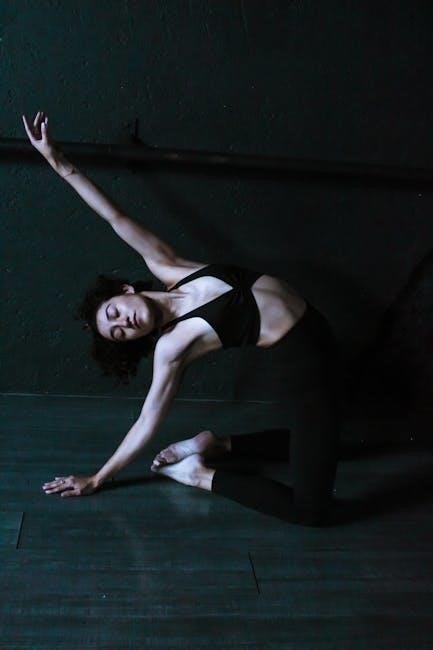
The Core Principles of Strength and Conditioning for Dancers
Strength and conditioning are essential for dancers․ They enhance performance, prevent injuries, and improve overall physical qualities like strength, power, and endurance․ This comprehensive guide links current evidence, offering a holistic approach to dancer well-being and effective supplemental fitness training․
Defining Supplemental Fitness Training and its Purpose
Supplemental fitness training for dancers refers to a structured and targeted regimen designed to complement a dancer’s regular artistic practice․ It is a vital component that extends beyond traditional dance technique classes, specifically aimed at improving physical attributes crucial for demanding dance performance․ The primary purpose of integrating such training into a dancer’s schedule is multi-faceted and rooted in scientific principles․
Firstly, it is essential for enhancing overall performance․ By developing specific physical qualities like strength, power, and endurance, dancers can execute complex movements with greater precision, control, and artistry․ Secondly, and equally important, supplemental fitness training significantly reduces the risk of injuries․ Dance, while beautiful, places immense stress on the body, and targeted conditioning helps build resilience, correct muscular imbalances, and reinforce stability, safeguarding dancers against common ailments․ Matthew Wyon’s “Strength and Conditioning for Dancers” highlights this by linking current evidence on physical fitness, dance performance, and injury incidence․ This approach ensures dancers achieve optimal physical preparedness, supporting their well-being and longevity in their demanding art form․
Unlocking Peak Performance and Injury Prevention
Integrating strength and conditioning practices is paramount for dancers aiming to achieve their highest potential and safeguard their physical well-being․ Resources like “Strength and Conditioning for Dancers” by Matthew Wyon are guides to unlocking peak performance and effectively preventing injuries․ Supplemental fitness training is crucial; it directly enhances overall performance by building the necessary physical resilience and capacity for demanding artistic expression․ This essential resource offers practical advice, tailored exercises, and insightful strategies for dancers across all levels, ensuring a comprehensive approach to dance fitness․
Strength and conditioning (SC) is a training modality proven to improve physical fitness and athletic abilities, benefits directly transferable to dance’s unique demands․ Tailored programs combining strength, power, and flexibility training ensure dancers attain optimal physical preparedness․ Critically, this focused training significantly reduces injury risk by addressing and preventing imbalances, reinforcing the body’s structural integrity against performance rigors․ Evidence clearly links enhanced physical fitness to superior dance performance and a decreased incidence of injuries, fostering a stronger, healthier, and more capable dancer for sustained excellence․
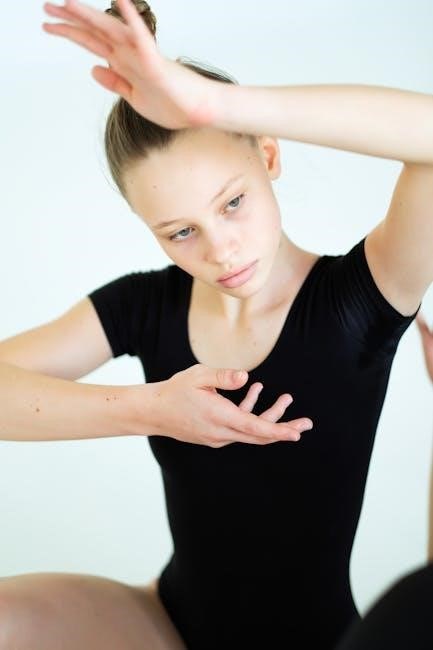
Enhancing Physical Qualities: Strength, Power, Endurance
Supplemental fitness training is paramount for dancers seeking to elevate their physical qualities, directly impacting performance and longevity․ Engaging in structured strength and conditioning programs demonstrably improves key attributes such as strength, power, and endurance․ Studies, including research on college female ballet dancers, have investigated the positive effects of supplemental weight training programs, noting enhancements in lower body strength, muscular endurance, and even subjective evaluations of ballet technique performance․ This highlights the direct correlation between targeted training and dance-specific improvements․
For modern dance students, three months of aerobic and strength training have shown significant positive effects on selected performance and fitness-related parameters․ This indicates that a well-rounded approach is vital․ Tailored programs specifically combine strength, power, and flexibility training, ensuring dancers not only build robust physical capabilities but also maintain their artistic expression and range of motion․ Full-body conditioning workouts, incorporating cardio, resistance, and stretching exercises, are crucial for developing stamina and overall dance performance․ These routines target arms, back, core, legs, and feet, providing a comprehensive boost to a dancer’s physical preparedness and resilience, allowing them to execute demanding techniques with greater ease and precision․

Scientific Foundations and Program Design

Muscle physiology and training fundamentals are crucial for effective program design․ This section integrates current scientific evidence, ensuring considerations are based on dance specificity and optimal physiological adaptations for enhancing performance and well-being․
Muscle Physiology and Training Fundamentals
Understanding the fundamentals of muscle physiology is paramount for designing effective strength and conditioning programs for dancers․ This section delves into the scientific basis of how muscles respond to training stimuli, covering concepts such as muscle fiber types, energy systems, and adaptation mechanisms․ It explores how various training modalities, including resistance and aerobic training, influence a dancer’s physical qualities․ By grasping these core principles, dancers and trainers can make informed decisions about program structure, exercise selection, and progression․ The goal is to optimize physiological adaptations, leading to enhanced strength, power, muscular endurance, and flexibility․ Research consistently demonstrates that tailored programs, grounded in sound physiological understanding, are crucial for improving performance and mitigating injury risk․ This foundational knowledge ensures that training protocols are not only effective but also align with the unique demands of dance, promoting long-term well-being and peak artistic expression․ This comprehensive guide breaks down complex scientific concepts into clear, convenient sections, making them accessible for practical application within a dancer’s schedule․ This ultimately contributes to a robust and resilient physique, essential for mastering demanding techniques and preventing imbalances․
Tailoring Programs for Dance Specificity
Tailoring strength and conditioning programs is crucial for dancers, aligning training with their art form’s unique demands․ Dance specificity necessitates integrating movements and physiological adaptations directly relevant to artistic expression and performance․ Programs must consider specific dance genres and skill levels, as needs vary across ballet, contemporary, or jazz dancers․ This involves selecting exercises enhancing strength, power, and flexibility, mirroring dance movements․ The objective is to build physical resilience, prevent imbalances, and reduce injury risk․ Such programs must also support the intricate coordination, balance, and aesthetic requirements inherent in dance․ This comprehensive approach ensures dancers achieve optimal physical preparedness, directly translating into improved technique and sustained artistic longevity․ Effective program design, grounded in practical advice, makes strength and conditioning an integral part of a dancer’s schedule, unlocking peak performance without compromising artistic voice and fostering well-being․
Preventing Imbalances and Promoting Well-being
Preventing muscular imbalances is a cornerstone of effective strength and conditioning for dancers, truly crucial for sustained performance and long-term well-being․ Dance’s repetitive nature often leads to overdeveloped and underdeveloped muscle groups, creating asymmetries that increase injury vulnerability․ Supplemental fitness training directly addresses these discrepancies, strengthening compensatory muscles and ensuring balanced physical development․ This strategic intervention significantly reduces the risk of common dance-related injuries, such as those affecting the knees, hips, and ankles․
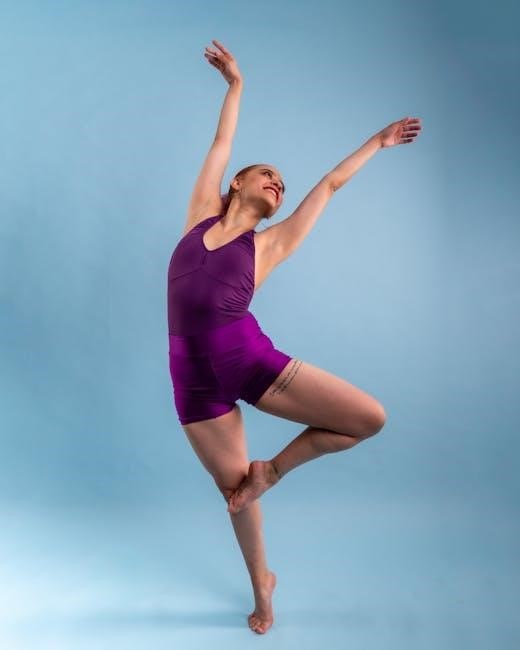
A holistic program extends beyond merely enhancing strength; it integrates flexibility, stability, and core control to foster a resilient and adaptable physique․ By proactively identifying and correcting imbalances, dancers maintain optimal alignment and movement efficiency, vital for demanding techniques and artistic expression․ Promoting well-being encompasses physical health and mental fortitude, allowing dancers to sustain their careers with greater confidence and comfort․ This comprehensive approach ensures dancers remain healthy, minimize downtime, and explore their artistic potential safely and effectively, contributing to overall longevity in their demanding profession․
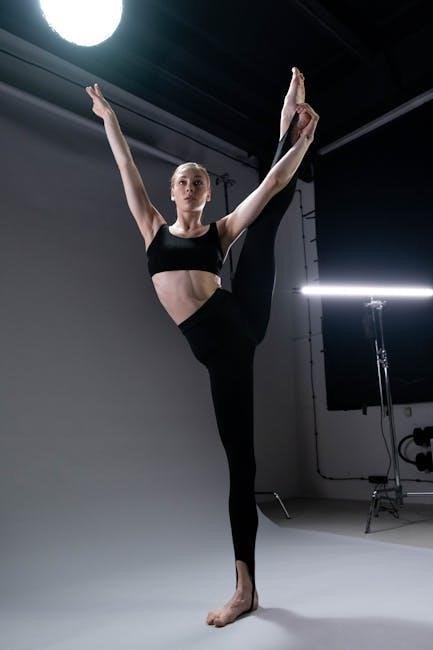
Key Training Components and Exercises for Dancers
This section details key training components․ It covers core, upper, and lower body strength development, integrating flexibility, cardio, and resistance training․ Specialized methods like barre, circuit, and full-body workouts are explored for dancers’ routines․
Core, Upper, and Lower Body Strength Development
Developing robust strength across the core, upper, and lower body is paramount for dancers, serving as the foundation for enhanced performance and injury prevention․ Comprehensive programs specifically address these areas, recognizing their interconnected roles in supporting complex dance movements․ For the core, exercises focus on improving balance, stability, and control, which are critical for intricate turns, jumps, and sustained poses․ Full-body ballet conditioning workouts, often requiring no equipment, effectively target the deep abdominal muscles and surrounding stabilizers, leading to a stronger center․
Upper body strength is crucial for partnering, lifting, and maintaining expressive port de bras, involving exercises that fortify the arms, back, and shoulders without adding bulk․ Lower body development emphasizes muscular endurance, power for leaps, and precise control for intricate footwork․ This includes strengthening the legs, glutes, and feet, ensuring dancers can execute demanding techniques with grace and power․ Physical therapy insights often guide the selection of exercises to address common dancer-specific weaknesses, promoting a balanced physique․ Incorporating varied strength training, from targeted isolated movements to dynamic full-body conditioning, ensures dancers build the resilience and power necessary for demanding routines and a sustained career, minimizing injury risk through proactive muscular development․ These tailored approaches are key to unlocking peak physical potential․
Integrating Flexibility, Cardio, and Resistance Training
For dancers, a holistic fitness regimen effectively integrates flexibility, cardiovascular endurance, and resistance training to optimize performance and well-being․ This multifaceted approach ensures comprehensive physical development․ Routines explicitly incorporate cardio, resistance, and stretching exercises to collectively enhance endurance, strength, and flexibility, vital for the demanding art form․
Cardiovascular training, often through full-body conditioning workouts, elevates stamina and improves dance performance, getting the heart rate going efficiently․ This aerobic component is crucial for sustained energy throughout rehearsals and performances, as demonstrated by studies on modern dance students showing improved fitness parameters․
Resistance training, including supplemental weight programs or bodyweight exercises, builds essential strength and muscular endurance․ This strengthens the body, supporting complex movements and preventing imbalances․ Simultaneously, dedicated flexibility work, encompassing stretching and mobility exercises, is fundamental for achieving the extensive range of motion required in dance, reducing injury risk, and elevating technical execution․ Tailored integration of these elements ensures dancers achieve optimal physical preparedness, marrying power with grace and agility, promoting a stronger, healthier dancer capable of peak artistic expression․
Specialized Methods: Barre, Circuit, and Full-Body Workouts
Specialized training methods are vital for a dancer’s optimal physical development․ Barre exercise, combining elements of ballet, Pilates, and yoga, utilizes small, isometric movements at a barre․ This approach effectively strengthens the core, improves balance, and enhances stability, directly supporting complex dance techniques․ It builds crucial muscular endurance for refined control and poise within a dancer’s demanding schedule, aiding injury prevention․
Circuit training offers a dynamic and highly beneficial approach, significantly influencing dancers’ physical fitness levels․ It involves performing a series of exercises with minimal rest, targeting multiple muscle groups efficiently․ This method improves cardiorespiratory endurance, muscular strength, and power, preparing dancers for sustained exertion throughout performances․ Its efficacy in enhancing overall conditioning and resilience for athletes-dancers is well-recognized through various protocols․
Full-body conditioning workouts are indispensable, providing a comprehensive fitness strategy for dancers․ These sessions engage the arms, back, core, legs, feet, and cardiovascular system․ Designed to boost stamina, improve dance performance, and foster mobility, strength, and general well-being, they encompass routines like 20-minute ballet conditioning for core and balance, or no-equipment workouts for stamina․ Such integrated approaches cultivate a robust, adaptable, and injury-resistant physique․
Accessing Comprehensive Guides and Research
Access comprehensive guides such as Matthew Wyon’s “Strength and Conditioning for Dancers” (PDF) for practical advice․ Explore DanceFIT recommended exercises from Johns Hopkins experts and delve into journal research for evidence-based strategies․
“Strength and Conditioning for Dancers” by Matthew Wyon (PDF)
Matthew Wyon’s seminal work, “Strength and Conditioning for Dancers,” published by The Crowood Press on November 16, 2021, stands as an indispensable resource for anyone involved in the dance world․ Spanning 388 comprehensive pages, this guide is readily available in various formats, including PDF, EPUB, and Kindle, making it easily accessible for dancers, instructors, and researchers alike․ The book serves as an accessible guide to understanding how to effectively design and seamlessly incorporate supplemental fitness training into a dancer’s demanding schedule․ Wyon meticulously links current evidence regarding the intricate relationship between optimal physical fitness, peak dance performance, and the crucial aspect of injury incidence․ He breaks down complex scientific information into clear and convenient sections, ensuring that readers can grasp fundamental concepts with ease․ The journey through the book begins with the foundational principles of muscle physiology and training, building a solid scientific basis for subsequent practical applications․ It offers a holistic approach to dancer well-being, moving beyond mere technique to embrace a complete physical preparedness․ This essential resource dives deep into the world of dance fitness, offering practical advice, tailored exercises, and insightful strategies for dancers of all levels, from fundamental warm-ups to advanced techniques, making it your comprehensive guide to unlocking peak performance and preventing injuries․
DanceFIT Recommended Exercises and Journal Research
The DanceFIT program offers curated exercises, specifically chosen by Johns Hopkins Performing Arts Physical Therapists․ These recommendations address common injury-leading issues, guiding dancers towards stronger, healthier artistry․ Complementing this, rigorous journal research forms the scientific bedrock for effective strength and conditioning․ The Journal of Strength and Conditioning Research has extensively documented supplemental training impacts․ For example, an August 1990 study investigated a nine-week weight training program on college female ballet dancers, assessing lower body strength, muscular endurance, flexibility, and subjective technique․ A 2007 study further explored three months of aerobic and strength training benefits for modern dance students’ performance and fitness․ Such research highlights tailored interventions’ importance․ Future studies, including those on circuit training’s influence on physical fitness, continuously refine methodologies․ This ensures all exercises and programs are evidence-based, dance-specific, promoting optimal adaptations for diverse genres and skill levels, ultimately enhancing both performance and well-being with scientific precision․