
Tie dye garments require special washing care to maintain their vibrant colors. A comprehensive washing guide, often in PDF format, details initial rinsing, detergent choices, and temperature settings.
Understanding Dye Bleeding
Dye bleeding is a common concern when washing tie dye, especially during the first few washes. This occurs because unfixed dye molecules release from the fabric fibers into the wash water. The extent of bleeding depends on the dye type, fabric, and washing conditions.
A tie dye washing instructions PDF will emphasize the importance of understanding this process. It explains that some dye loss is normal, but excessive bleeding can cause colors to fade or transfer to other garments. Factors like water temperature and detergent type significantly impact bleeding. Cold water minimizes dye release, while warm or hot water accelerates it.
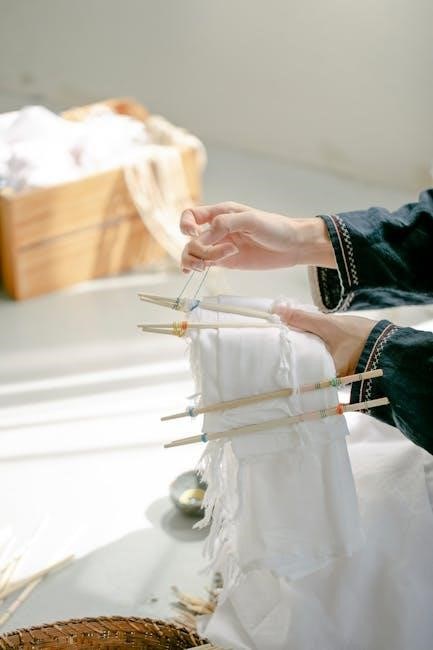
The PDF will also detail how proper initial rinsing and color-fixing techniques, like salt soaks, help mitigate dye bleeding, preserving the vibrancy of your tie-dye creations.
The Importance of Initial Rinsing
Initial rinsing is a crucial step, prominently featured in any tie dye washing instructions PDF. Before the first machine wash, thoroughly rinse the tie-dyed item under cold, running water. This removes excess, unbound dye that hasn’t fully bonded with the fabric. Continue rinsing until the water runs relatively clear – a sign that most of the loose dye has been eliminated.
The PDF will stress that skipping this step dramatically increases the risk of significant dye bleeding and color transfer in subsequent washes. It’s a preventative measure to protect both your tie-dye and other laundry.
Detailed guides often suggest gently squeezing, rather than wringing, the fabric during rinsing to avoid distorting the design. This initial rinse sets the stage for successful, long-lasting color retention.
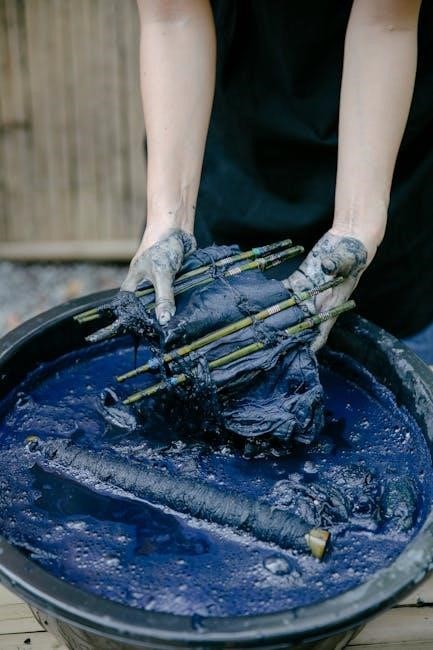
First Wash: Securing the Colors
The first wash is vital for colorfastness. A tie dye washing instructions PDF will emphasize cold water, salt soaks, and specialized detergents for optimal results.
Cold Water Rinse – The First Step
A thorough cold water rinse is the cornerstone of preserving tie dye vibrancy, as detailed in any good tie dye washing instructions PDF. Before the first machine wash, rinse the garment under running cold water until the water runs mostly clear. This crucial step removes excess dye that hasn’t bonded to the fabric.
This initial rinse minimizes dye bleeding during subsequent washes. Don’t be alarmed if some color still appears – a little is expected! Continue rinsing until the runoff is significantly lighter. A tie dye washing instructions PDF will often stress the importance of patience here; a complete rinse prevents colors from muddying or staining other clothes later. This simple act dramatically improves long-term color retention.
Salt Water Soak: Color Fixation
Following the initial rinse, a salt water soak is a vital color-fixing step, frequently highlighted in a tie dye washing instructions PDF. Dissolve one cup of salt in a quart of hot water, then add this solution to a basin of cool water. Submerge the tie-dyed item and let it soak for 30 minutes.
The salt helps the dye molecules bond more strongly with the fabric fibers, reducing future bleeding. Many tie dye washing instructions PDF guides emphasize that this isn’t just about preventing color transfer; it actually enhances the dye’s permanence. While not a foolproof method, it significantly improves colorfastness. After soaking, gently rinse again with cold water before washing.
Choosing the Right Detergent
A tie dye washing instructions PDF will invariably address detergent selection. While regular detergents can be used, specialized options like Synthrapol are often recommended for their superior dye-fixing properties. Synthrapol is designed to remove loose dye without stripping the colors from the fabric, a crucial benefit for tie-dye projects.
However, a standard, mild detergent will suffice if Synthrapol isn’t available. Tie dye washing instructions PDF resources consistently advise against detergents containing bleach or brighteners, as these can fade colors. The key is a gentle formula that cleans effectively without aggressive chemical action. Always check the detergent label before use to ensure compatibility with dyed fabrics.
Synthrapol vs. Regular Detergent
A detailed tie dye washing instructions PDF will often compare Synthrapol and regular detergents. Synthrapol, a professional textile detergent, excels at removing unfixed dye molecules during the initial washes, preventing color bleeding and enhancing vibrancy. It’s specifically formulated for hand-dyed and painted fabrics, making it a preferred choice among tie-dye enthusiasts.
Regular detergents, while functional, may not be as effective at removing loose dye. Some contain optical brighteners that can initially make colors appear brighter but ultimately contribute to fading. Tie dye washing instructions PDF guides suggest using a pH-neutral, mild detergent if Synthrapol isn’t accessible, prioritizing gentle cleaning over harsh chemicals.
Detergent Quantity
A thorough tie dye washing instructions PDF will address the appropriate amount of detergent to use. Overusing detergent doesn’t necessarily mean cleaner clothes; it can actually leave residue that dulls colors and attracts more dirt. For top-loading machines, a tablespoon is generally sufficient, while high-efficiency (HE) machines require even less – about half a tablespoon.
Tie dye washing instructions PDF guides emphasize that Synthrapol requires a slightly higher dosage than typical detergents, often around two tablespoons for a standard load. Always consult the detergent’s packaging for specific recommendations. The goal is gentle cleaning, removing loose dye without stripping the fabric of its vibrant hues.

Subsequent Washes: Maintaining Vibrancy
A tie dye washing instructions PDF stresses washing tie dye with similar colors to prevent dye transfer and maintain brightness over time.
Washing Temperature Guidelines
A detailed tie dye washing instructions PDF will emphasize the importance of water temperature. Initially, cold water is crucial for the first few washes to minimize dye bleeding. However, after the initial color-securing washes, a gentle warm water cycle is generally acceptable.
The PDF should clearly state to avoid hot water at all costs, as it significantly increases the risk of colors fading and bleeding into each other. While some sources suggest warm water is okay, erring on the side of caution with cool or cold water is always best, especially for vividly colored items. Consistent use of cooler temperatures will prolong the life and vibrancy of your tie dye creations, ensuring they remain bright and colorful for longer.
Washing with Similar Colors
A comprehensive tie dye washing instructions PDF must strongly advise washing tie dye items with similar colors. This precaution is vital to prevent dye transfer and maintain the integrity of each color within the design. Grouping tie dye with whites or light-colored fabrics is particularly risky, as stray dye molecules can easily stain them.
The PDF should recommend washing new tie dye pieces separately for the first wash or two, even with other tie dye. After that, pairing with similar shades – blues with other blues, reds with reds – minimizes potential color bleeding. This simple step significantly extends the life and vibrancy of your tie dye garments, keeping them looking fresh and colorful.

Avoiding Bleach and Fabric Softeners
A detailed tie dye washing instructions PDF must explicitly warn against using bleach or fabric softeners. Bleach is a color-stripping agent and will irrevocably fade the vibrant dyes used in tie dye, ruining the design. Even diluted bleach can cause significant damage. Fabric softeners, while seemingly harmless, coat the fabric fibers.

This coating traps dye particles, leading to dullness and uneven color distribution over time. The PDF should recommend skipping fabric softener altogether and suggest alternatives like vinegar for softening, if desired. Emphasize that preserving the colors requires avoiding these common laundry additives, ensuring long-lasting, brilliant tie dye creations.

Drying Techniques for Tie Dye
A tie dye washing PDF should advise air drying or machine drying on low heat to prevent fading and shrinking. Avoid direct sunlight exposure.
Air Drying vs. Machine Drying
A detailed tie dye washing PDF must clearly outline the differences between air drying and machine drying. Air drying, while taking longer, is generally considered the gentlest method, preserving color vibrancy and preventing potential shrinkage. Laying the tie-dye flat on a clean surface, or hanging it on a plastic hanger (avoiding metal) away from direct sunlight, is recommended.
Machine drying, if necessary, should always be done on the lowest heat setting. High heat can cause colors to fade and fabrics to shrink or become damaged. Including a warning about the risks of high heat in the PDF is crucial. Furthermore, the guide should suggest removing the item while slightly damp to minimize wrinkles and further protect the dye.
Sunlight Exposure Considerations
A thorough tie dye washing PDF needs to address the impact of sunlight on dyed fabrics. While seemingly harmless, prolonged direct sunlight exposure can cause colors to fade significantly over time. The PDF should advise against drying tie-dye items outdoors in direct sunlight, even if air drying is preferred.
Instead, recommend drying in a shaded area or indoors. If outdoor drying is unavoidable, suggest limiting sun exposure. The guide should also mention that even during regular wear, prolonged exposure to bright sunlight can contribute to fading. Including tips on storing tie-dye items away from direct sunlight will further enhance color longevity, ensuring vibrant designs for longer.
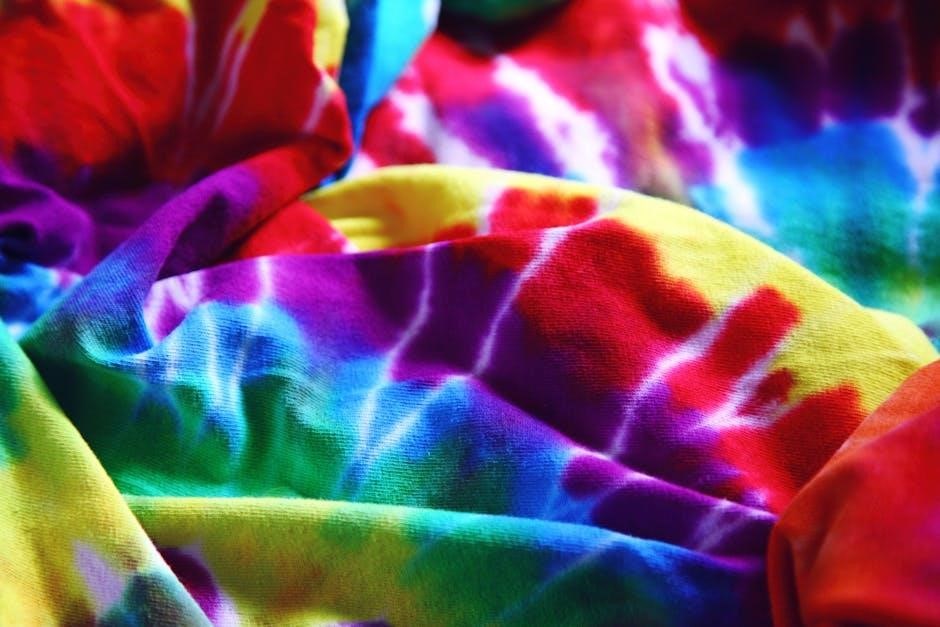
Troubleshooting Common Issues
A tie dye washing PDF should include a section addressing fading and bleeding. It will offer solutions for color loss and preventing dye transfer during washes.
Fading Colors: What to Do
A detailed tie dye washing PDF must address color fading, a common concern. Initially, ensure thorough rinsing before the first wash to remove excess dye. If fading occurs despite proper care, consider re-washing the garment inside out in cold water with a color-safe detergent like Synthrapol.
Avoid harsh detergents and bleach, as these accelerate fading. A salt water soak during the first few washes can help lock in the dye. Sunlight exposure during drying can also contribute to fading, so air drying in the shade is preferable. The PDF should advise users to wash tie dye items with similar colors to minimize potential dye transfer and further fading.
For severely faded items, a color-reviving wash specifically designed for dyed fabrics might be recommended, but always test in an inconspicuous area first.
Color Bleeding After Washing
A comprehensive tie dye washing PDF should explicitly address color bleeding. Initial washes are most prone to this, emphasizing the critical importance of cold water and a salt water soak to fix the dye. If bleeding occurs, immediately re-wash the affected item separately, adding a cup of white vinegar to the rinse cycle – this can help set remaining dye.
The PDF must strongly advise against washing tie dye with light-colored items, especially during the first few washes. Synthrapol is recommended over regular detergents due to its ability to suspend loose dye molecules. Repeated bleeding suggests insufficient initial dye fixation; consider a color catcher sheet in subsequent washes.
Documenting potential bleeding issues and solutions within the PDF empowers users to proactively manage this common problem.

Creating a Tie Dye Washing PDF Guide
A detailed PDF guide should consolidate all washing instructions, including rinsing, detergent selection, temperature guidelines, and troubleshooting tips for vibrant, long-lasting tie dye.
Essential Information to Include
Your tie dye washing PDF must cover initial preparation thoroughly. Detail the crucial first rinse with cold water until it runs clear, emphasizing removing excess dye. Include instructions for a salt water soak – one cup of salt dissolved in hot water – to help fix colors.
Next, dedicate a section to detergent choices. Explain the benefits of Synthrapol, a detergent specifically designed for dyed fabrics, versus regular detergents. Provide guidance on appropriate detergent quantities to avoid residue.
Clearly outline subsequent wash guidelines: washing temperatures (warm or cold is best), washing with similar colors to prevent dye transfer, and a strict avoidance of bleach and fabric softeners. Finally, include a troubleshooting section addressing fading and continued bleeding.
Formatting for Easy Reference
A well-structured PDF enhances usability. Utilize clear headings and subheadings mirroring the article’s outline for quick navigation. Employ bullet points or numbered lists for step-by-step instructions, like the rinsing and soaking processes.
Visual aids are beneficial. Include images demonstrating proper rinsing techniques or color separation for washing. Use a consistent font and size throughout the document for readability.
Consider a table summarizing key “do’s and don’ts”. This provides a concise overview of washing guidelines. Ensure sufficient white space to prevent a cluttered appearance. Finally, add a prominent disclaimer stating the guide offers general advice, and specific garment instructions should always be prioritized.

Resources for Further Information
Online tie dye communities and manufacturer websites offer detailed washing advice. These resources provide specific product recommendations and troubleshooting tips for vibrant results;
Online Tie Dye Communities
Numerous online platforms foster vibrant tie dye communities, serving as invaluable resources for washing guidance. Forums and social media groups dedicated to tie dye often feature extensive discussions on preserving color, with members sharing their personal experiences and proven techniques.
These communities are excellent places to ask specific questions about your tie dye projects and receive tailored advice. Many experienced dyers readily share their preferred detergents, washing temperatures, and drying methods. Platforms like Reddit (r/tiedyed) and Facebook groups dedicated to tie dye are particularly active.
Searching within these groups for keywords like “washing,” “color bleeding,” or “Synthrapol” will quickly yield a wealth of information. You’ll find real-world examples and solutions to common problems, helping you create a reliable washing routine for your colorful creations.
Manufacturer Recommendations
Dye manufacturers often provide specific washing instructions to maximize color retention and garment longevity. These recommendations, frequently included on dye packaging or their websites, are crucial for optimal results.
Procion MX dyes, a popular choice for tie dye, typically advise cold water washing with a pH-neutral detergent like Synthrapol. Dharma Trading Co., a leading dye supplier, offers detailed washing guides on their website, emphasizing the importance of initial rinsing and avoiding bleach.
Always consult the manufacturer’s guidelines for the specific dye used in your project. Following their recommendations ensures compatibility and minimizes the risk of fading or bleeding. These resources often detail appropriate water temperatures, detergent types, and drying techniques, contributing to a comprehensive tie dye washing PDF guide.