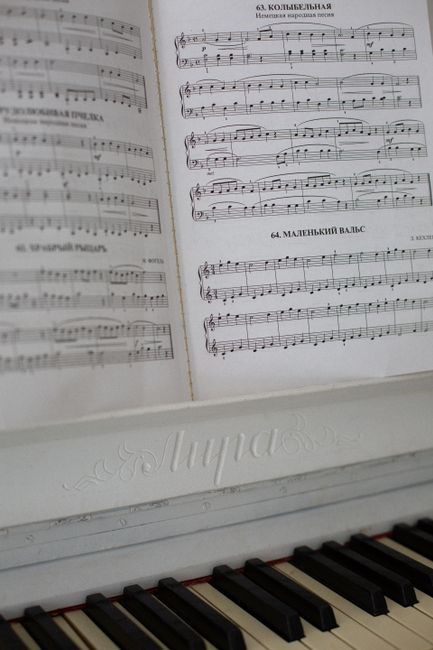
Teachers use digital scores to train students in rapid note recognition․ By presenting fresh pieces, pupils learn to identify symbols instantly, much like reading familiar words without sounding them out․ This approach blends visual landmarks with interval logic, boosting fluency․ Practice now․
What Are Sight Reading PDFs?
Sight‑reading PDFs are digital sheet‑music files formatted for quick visual access․ They contain fully scored excerpts, often ranging from simple single‑voice studies to full‑ensemble arrangements, and are designed to be printed or displayed on a screen for immediate practice․ Unlike scanned images, PDFs preserve the original notation quality, allowing musicians to see clefs, key signatures, time signatures, dynamics, and articulations clearly․ Because the files are vector‑based, they scale smoothly without pixelation, ensuring that even the smallest accidentals remain legible․ Many educators distribute these PDFs as part of a structured curriculum, offering graded difficulty levels so learners can progress from familiar key signatures to more complex modulations․ The convenience of PDFs also means they can be shared via email, cloud storage, or learning management systems, making collaborative practice sessions possible even when students are geographically dispersed․ For piano players, a sight‑reading PDF typically includes a treble and bass staff, with optional pedal markings and tempo indications․ By repeatedly working through these documents, students develop the ability to scan a page, recognize key signatures, and anticipate rhythmic patterns without having to read each note individually․ This skill mirrors the way fluent readers recognize words instantly, relying on visual memory rather than phonetic decoding․ Students can use PDF viewers to record practice, enhancing learn now!

Benefits of Using PDF Exercises

PDF exercises offer instant access, high portability, and clear notation․ They let students practice anywhere, print on demand, and annotate digitally․ With consistent formatting, learners quickly scan key signatures and rhythms, boosting sight‑reading speed and confidence․ Mobile ready․ Now!!
Accessibility and Portability
PDF sight‑reading sheets are universally readable across operating systems, from Windows PCs to iPads and Android tablets․ Because the format preserves exact layout and notation, a student can load a new exercise on a bus, at home, or in a studio without losing fidelity․ Many free libraries host thousands of pieces in PDF, allowing instant download and offline use․ The file size is typically small, so bandwidth is minimal; a 200‑page set may be under 5 MB, making it easy to share via email or cloud services․ Students can annotate directly with PDF readers that support highlighting, sticky notes, or drawing tools, turning a static score into an interactive practice log․ The portability also means teachers can distribute assignments to a class in a single click, ensuring every learner receives the same version of the piece․ Because PDFs are non‑editable by default, the integrity of the exercise remains intact, preventing accidental changes that could confuse sight‑reading practice․ Overall, the combination of cross‑platform compatibility, lightweight files, and built‑in annotation tools makes PDF exercises a highly accessible and portable resource for modern piano students․ Students can adjust tempo markings, add annotations, and share progress with teachers, ensuring consistent growth daily․! and play․
Common Formats and Standards
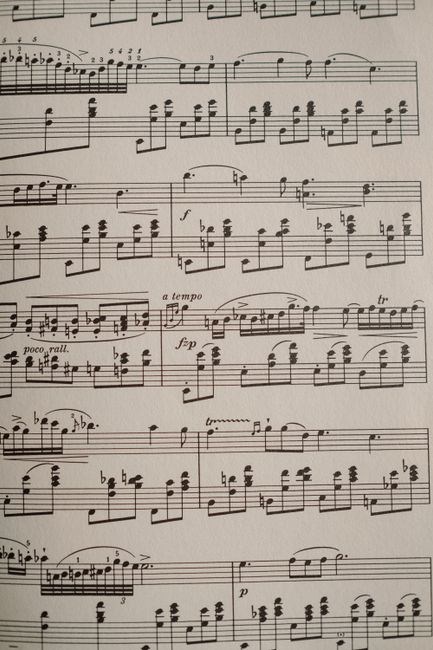
PDFs remain the dominant format for sight‑reading because they preserve precise notation and are universally supported․ Alternatives like MusicXML offer editable scores, but PDFs keep layout integrity, making them ideal for quick sharing consistent practice across devices․
MusicXML vs․ PDF
MusicXML is an open, text‑based format that stores every note, dynamic, and articulation in a structured XML tree․ This structure allows editors to manipulate the score programmatically, export to MIDI, or convert to other notation systems; PDFs, on the other hand, are raster or vector images that preserve the exact visual layout, making them ideal for quick sharing and printing․ When a teacher distributes sight‑reading exercises, a PDF guarantees that every ledger line, slur, and key signature appears exactly as intended, regardless of the software the student uses․ The downside is that PDFs are static; any change requires a new file․ MusicXML offers flexibility: a student can load the file into MuseScore or Sibelius, adjust tempo, add a metronome, or even transpose the piece with a single click․ However, the visual fidelity of a PDF is superior for beginners who need to see the notation in its final form․ For advanced users, the ability to edit a MusicXML file can streamline the creation of custom practice sets․ In practice, many teachers provide both: a PDF for the initial sight‑reading session and a MusicXML file for later, more in‑depth study․ This dual‑format approach leverages the strengths of each standard while mitigating their weaknesses․ Moreover, when working with large libraries, MusicXML’s machine‑readable nature enables batch processing: a script can extract all pieces in a specific key, generate flashcards, or compile statistics on common errors․ PDFs, lacking such metadata, require manual intervention for each file․ Clear sight helps․

Key Components of Effective Sight Reading Exercises
Effective sight‑reading PDFs combine clear key signatures, balanced rhythmic patterns, and gradual tempo changes․ They feature diverse clefs, consistent dynamics, and gradual tempo changes․ Visual cues like bold accidentals help students spot changes quickly․ Add tempo changes to test adaptability
Diverse Key Signatures
When compiling sight‑reading PDFs, a wide range of key signatures is essential․ Students should encounter every major and minor key, from C major to G♭ minor, to develop automatic recognition of accidentals․ Incorporating key changes within a single piece trains the eye to adjust quickly․ PDFs that display the key signature at the beginning of each staff, followed by a brief annotation of the number of sharps or flats, reinforce visual memory․ Additionally, alternating between keys that share the same number of accidentals but differ in tonality—such as F major and D♭ major—helps learners discern context clues beyond the signature․ PDFs that shift from a key with many sharps to one with many flats in a single movement exposes students to extreme contrasts, sharpening their ability to read and interpret accidentals on the fly․ Finally, embedding a short glossary that lists each key signature’s enharmonic equivalents aids in quick reference, ensuring that learners can confidently navigate any key they encounter in practice or performance․
By rotating through keys that differ by a single accidental, students learn to anticipate the pattern of accidentals quickly daily! When a piece shifts from C major to G major, five sharps appear in order, reinforcing muscle memory․ Similarly, shifting from A♭ minor to E♭ minor introduces four flats, letting learners read flats in sequence․ This systematic exposure builds confidence, ensuring sight‑reading becomes a fluid process rather than isolated challenges․
Recommended Sources for Free PDFs
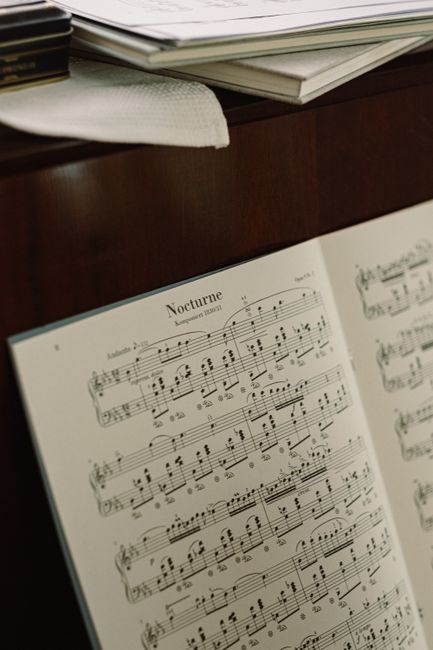
Free PDFs are abundant on sites like IMSLP, which hosts public domain scores․ The OpenScore project offers downloadable sheet music, while the Mutopia Project supplies clean PDF editions․ These resources provide diverse sight‑reading exercises for pianists․ These PDFs are free and aid practice․
IMSLP and Public Domain Collections
IMSLP, the International Music Score Library Project, is the largest online collection of public‑domain sheet music․ Musicians can download thousands of scores in PDF format without cost, covering composers from Bach to contemporary․ The site’s search filters let users locate pieces by key, difficulty, or instrument, making it ideal for sight‑reading drills․ Many teachers curate playlists of short excerpts, ensuring balanced exposure to major and minor modes․ Because the scores are in the public domain, they can be freely shared, annotated, or printed, allowing educators to tailor exercises to skill level; Additionally, IMSLP hosts user‑submitted transcriptions and simplified arrangements, expanding the repertoire for beginners․ The community forums provide discussion threads where pianists exchange tips on effective sight‑reading practice, often linking to specific PDFs․ By leveraging IMSLP’s vast catalog, students gain access to authentic repertoire that supports progressive learning and encourages regular, varied practice sessions․ Students can also download the PDFs directly to their devices, enabling offline practice during travel or in noisy environments where a physical copy would be impractical․ The high‑resolution images preserve the original notation quality, allowing pianists to see subtle articulations and dynamic markings that are essential for expressive performance Moreover many PDFs include editorial notes or performance suggestions giving learners insight into stylistic nuances and historical context that enrich their interpretation Teachers can assign graded sight‑reading tasks with clear markers

Paid Resources and Subscriptions
Subscription services such as Piano Marvel, Flowkey, and SightReading offer curated PDF libraries, difficulty, and progress tracking․ Users pay monthly or annually for access to thousands of graded exercises, video tutorials, and instant feedback, making sight‑reading daily now! practice efficient․
Commercial Sight Reading Libraries
Commercial sight‑reading libraries provide structured, graded PDF collections that cater to all proficiency levels․ Major publishers such as Hal Leonard, Alfred, and G․ Schirmer offer downloadable packs featuring original compositions, transcriptions, and pedagogical exercises․ These libraries are often organized by key, time signature, and technical focus—arpeggios, scales, rhythmic patterns, and chord progressions—allowing students to target specific weaknesses․ Each PDF is professionally typeset, ensuring clear notation, accurate dynamics, and tempo markings․ Many libraries include teacher’s notes, performance tips, and suggested practice schedules, which help instructors design lesson plans and track progress․ Subscription models give access to a vast repository that updates quarterly, introducing fresh material and contemporary works․ Some platforms integrate interactive features: students can annotate PDFs, record themselves, and receive instant feedback on accuracy and timing․ For advanced players, libraries offer complex pieces that challenge sight‑reading speed, harmonic analysis, and improvisational skills․ The convenience of digital distribution eliminates the need for physical storage, while cloud syncing ensures that practice sheets are available across devices․ Overall, commercial sight‑reading libraries combine pedagogical rigor with modern technology to support consistent, measurable improvement in sight‑reading proficiency․ These resources are regularly updated to reflect evolving pedagogical trends, ensuring that learners stay current with repertoire․
How to Create Your Own PDF Exercises
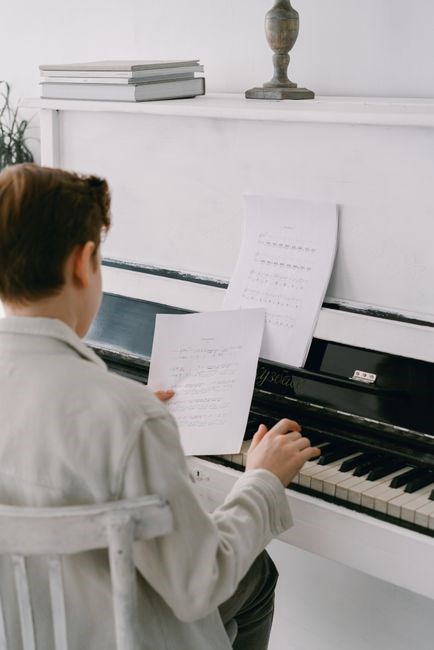
Use free notation software like MuseScore or Sibelius to compose short pieces․ Export each score as PDF, ensuring clear staff lines and symbols; Add randomized key signatures and tempos to increase variety․ Organize files into folders for easy access during practice․ Share PDFs for group today!
Using Sibelius or MuseScore
Both programs let you compose, edit, and export scores as PDFs․ Start by selecting the appropriate key signature and time signature from the toolbar․ Add staves, choose the piano clefs, and input notes via the virtual keyboard or MIDI controller․ Use the “Layout” menu to adjust page size, margins, and spacing, ensuring the final sheet is readable on a single page․ Once the music is complete, click “File → Export → PDF․” In the export dialog, set the resolution to 300 dpi for print quality, choose “Single page” or “Multiple pages” as needed, and enable the “Show page numbers” option for easy navigation․ After exporting, open the PDF to verify that all symbols are clear and that the page breaks occur at appropriate measures․ If you need to add annotations, use the PDF editor in your operating system or a dedicated tool like Adobe Acrobat to highlight passages or add text notes․ Finally, organize the PDFs into folders by key or difficulty level so that students can quickly find suitable exercises for daily sight‑reading practice․ When saving, choose “File → Save As” and name the file clearly, e․g․, “SightReading_Grade5_C․pdf”․ This helps quick retrieval․ If sharing online, compress the PDF to keep size reasonable while maintaining 300 dpi quality․ Most viewers allow zoom; remind students to zoom for detailed passages․ Keep the original source files for future edits and updates․ Practice to build muscle memory․ !!
Tips for Practicing with PDF Sheets
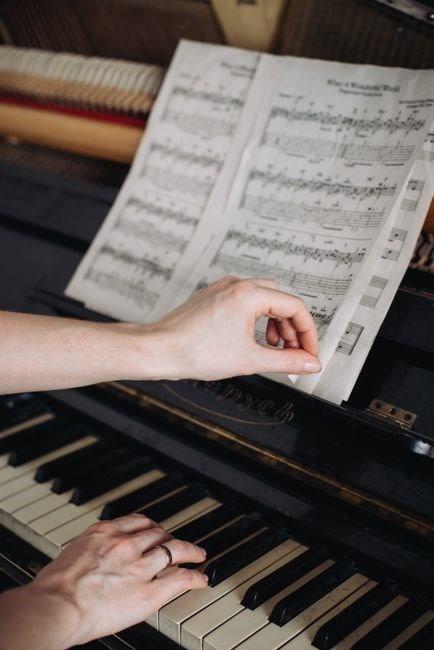
Use a high‑contrast PDF viewer, zoom to 150% for clarity․ Mark key changes with colored pens, then trace them on a separate sheet․ Practice one page at a time, focusing on new rhythms before moving on․ Repeat passages until muscle memory forms․ Finally, record yourself to spot errors․Practice!
Annotation and Highlighting Techniques
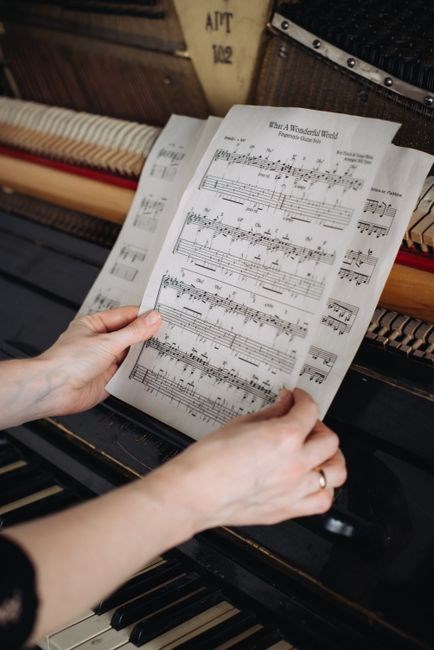
When working with piano sight‑reading PDFs, the power of annotation lies in its ability to turn a static score into an interactive learning tool․ Start by opening the file in a PDF reader that supports layers and color tags․ Assign a distinct color to each musical element: blue for key signatures, green for time signatures, orange for dynamic markings, and red for tempo changes․ This visual coding allows you to scan the page and instantly identify structural changes without reading every symbol․
Use the built‑in note‑highlight feature to mark the first occurrence of a new motif or rhythmic pattern․ By circling the motif in bright yellow, you create a visual cue that surfaces when you encounter the same pattern later․ If the PDF editor lets you add sticky notes, write a reminder such as “watch for syncopation” or “check pedal point․” These notes toggle on or off, letting you focus on music or commentary as needed․
For advanced practice, overlay a transparent sheet and print the PDF․ Trace staff lines and key signatures with a fine‑point pen, then highlight chord roots in soft pink․ This tactile method reinforces the visual hierarchy and internalizes the harmonic framework․
Finally, log your annotations․ After each session, export the PDF or take screenshots, then review highlighted sections to gauge progress․ Over time, annotated PDF becomes a personalized study guide that adapts to your evolving sight‑reading goals․!