
Tahajjud‚ the night prayer‚ invites believers to seek closeness to the Divine after the obligatory night worship. It is a voluntary act performed in the quiet hours‚ offering a chance for reflection‚ gratitude‚ and spiritual renewal. Its practice strengthens faith and nurtures inner peace. It also cultivates

What is Tahajjud?
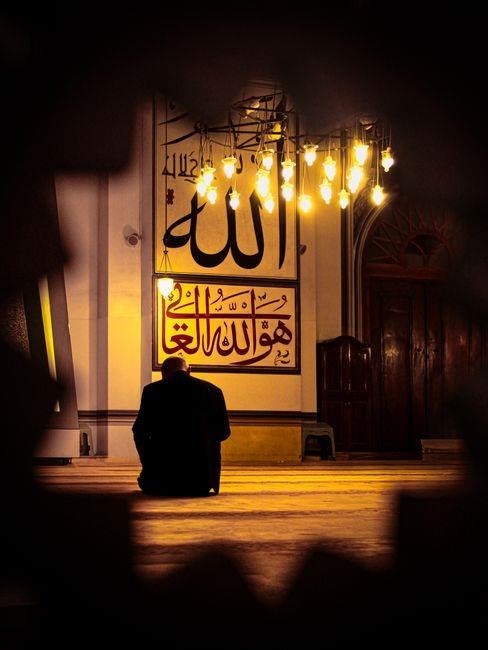
Tahajjud is a voluntary night prayer performed after Isha and Witr‚ usually in the last third of the night. Rooted in the Sunnah‚ the Prophet Muhammad (peace be upon him) urged believers to rise in the quiet hours to seek Allah’s mercy‚ forgiveness‚ and guidance. The prayer consists of two or more units (rak‘ahs)‚ each followed by a brief pause for Qur’an recitation and supplication. While there is no fixed number‚ many scholars recommend at least two‚ and some suggest up to eight or ten for those who can manage the time. The essence of Tahajjud lies in sincere devotion‚ humility‚ and the intention to connect deeply with the Creator. It is performed in a state of physical and spiritual readiness: clean‚ modest clothing‚ a quiet place‚ and minimal distractions. The night’s tranquility amplifies the sense of closeness to Allah‚ and the act of rising early to worship is a sign of perseverance. Scholars say that Tahajjud earns unparalleled spiritual rewards‚ and it bridges the believer with the Divine‚ encouraging remembrance‚ gratitude‚ and steadfast commitment. The practice also fosters discipline‚ requiring believers to set aside sleep‚ manage time‚ and maintain a consistent routine of worship. In essence‚ Tahajjud is a profound expression of devotion that transcends the ordinary‚ inviting the faithful to experience heightened spiritual awareness and a deeper connection with Allah during the stillness of the night. Seek divine mercy nightly!!
Spiritual Significance of the Night Prayer
At night‚ when the world quiets‚ the soul finds a unique space to converse with the Divine. The Tahajjud prayer‚ performed in the last third of the night‚ is more than a ritual; it is a deliberate act of seeking closeness to Allah. In the silence‚ the heart is free from worldly distractions‚ allowing a deeper focus on the words of the Qur’an and the supplications that arise from the heart. Scholars affirm that this time is when the gates of mercy are most open‚ and the Prophet (peace be upon him) encouraged believers to rise and worship‚ saying that the night is a time of divine revelation and personal reflection. The spiritual significance lies in the transformation of the individual: the act of waking‚ cleansing‚ and standing before Allah cultivates humility‚ gratitude‚ and a heightened sense of accountability. Each rak‘ah becomes a reminder of the transient nature of life‚ encouraging the worshipper to prioritize what truly matters. Moreover‚ the night prayer fosters a continuous dialogue with Allah‚ reinforcing the believer’s reliance on divine guidance and fostering resilience against worldly temptations. The repeated cycles of recitation‚ reflection‚ and dua create a rhythm that strengthens faith‚ nurtures patience‚ and instills a sense of purpose that carries into the day. Thus‚ Tahajjud is a bridge between the earthly and the heavenly realms‚ offering a sanctuary where the soul can rest‚ renew‚ and align itself with the divine will. It is a testament to the power of intentional worship and the profound impact of the night’s quiet moments on the believer’s spiritual journey. May Allah accept.

Benefits of Tahajjud
Tahajjud nurtures inner calm‚ sharpens focus‚ and deepens faith. Its quiet hours invite reflection‚ gratitude‚ and heartfelt supplications. Regular practice strengthens resilience‚ promotes mental clarity‚ and fosters a profound connection with the Divine‚ enriching every aspect of life. And blessings abound. daily.
Physical and Mental Health Benefits
Tahajjud‚ the nocturnal prayer‚ offers a unique blend of physical and mental rejuvenation. The rhythmic movements of prostration and bowing stimulate blood circulation‚ encouraging a gentle cardiovascular workout that can improve heart health. The deliberate breathing patterns during the prayer help regulate the autonomic nervous system‚ reducing stress hormones and fostering a calmer state of mind.
Engaging in Tahajjud also promotes better sleep hygiene. By aligning the body’s internal clock with the natural night cycle‚ the practice can enhance melatonin production‚ leading to deeper‚ more restorative sleep. This‚ in turn‚ supports cognitive functions such as memory consolidation and problem‑solving abilities.
Mentally‚ Tahajjud cultivates mindfulness and present‑moment awareness. The quiet hours provide a sanctuary for reflection‚ allowing practitioners to detach from daily distractions and focus on gratitude‚ intention‚ and spiritual growth. This mental clarity can translate into improved emotional regulation‚ resilience‚ and a heightened sense of purpose.
Together‚ Tahajjud’s role as a holistic practice nurtures both body and soul. The integration of movement‚ breath‚ and devotion fosters a balanced rhythm that aligns with the divine rhythm of creation. Regular observance encourages consistency‚ patience‚ and a deep sense of gratitude that can transform daily routines into moments of profound spiritual connection.
Tahajjud offers nightly health‚ clarity‚ and divine communion‚ enriching life’s every facet with peace..
Spiritual Rewards and Closeness to Allah
Tahajjud is a nightly invitation to draw nearer to the Divine‚ offering a space where the heart can whisper its deepest yearnings. The Prophet (peace be upon him) highlighted that those who wake in the quiet hours and seek Allah’s presence are rewarded with a special place in the Hereafter‚ a place of tranquility and unburdened joy.
Spiritual rewards are not limited to the afterlife; they manifest in the present as a heightened awareness of Allah’s mercy. The night prayer cultivates patience‚ perseverance‚ and a steadfast heart that remains steadfast even amid trials. It also fosters a sense of belonging‚ as the believer feels enveloped by the Divine presence‚ creating an unshakable bond that anchors the soul.

Ultimately‚ Tahajjud is a bridge that connects the seeker to the infinite mercy of Allah‚ turning the night into a sanctuary of hope‚ forgiveness‚ and endless blessings. Those who consistently partake in this act of worship find themselves enveloped in a serene closeness that enriches every aspect of their lives‚ both now and beyond.
Reading Tahajjud dua PDFs provides a convenient way to access authentic supplications without the need for memorization. These digital collections often include transliterations‚ translations‚ and contextual explanations‚ enabling seekers to understand the meanings behind each phrase. By studying the dua in a calm environment‚ one can internalize the words‚ fostering a deeper connection with the Divine and enhancing the overall spiritual experience during the night prayer. May it guide you.

How to Perform Tahajjud
Afterward‚ pause‚ breathe‚ thank Allah for guidance. Consistency in Tahajjud deepens faith inner peace!
Preparation and Timing Guidelines
Before beginning Tahajjud‚ establish a clear routine that aligns with the night’s sanctity. First‚ perform the obligatory Isha prayer and the two Sunnah rak‘ahs that precede it. Afterward‚ set a specific wake‑up time‚ ideally between the last third of the night and the pre‑Fajr hour‚ when the moon’s light is faint but the sky remains dark. Many scholars recommend waking at the “midnight” point‚ calculated as the midpoint between Isha and Fajr. Once awake‚ perform a brief ablution (wudu) to refresh body and mind. Recite a short supplication—such as the “Tasbih” of the night to center thoughts on Allah’s mercy. Sit in a quiet place free from distractions. If you have a PDF collection of Tahajjud duas‚ keep it within reach to refer to specific verses or traditional supplications. Begin with a few verses from the Qur’an‚ such as Al‑Qadr or Al‑Ishraq‚ to set a contemplative tone. Then proceed to the voluntary rak‘ahs‚ each followed by a personal dua reflecting needs and gratitude. Maintain a steady pace‚ breathing deeply‚ allowing words to resonate. After completing the prayer‚ spend a few moments in silent reflection‚ thanking Allah for the opportunity to seek His closeness. Consistency strengthens spiritual connection and nurtures disciplined‚ mindful life. When ready‚ start with the opening takbeer‚ proceed through the rak‘ahs‚ ensuring proper posture and concentration. Conclude with the final salutation and a heartfelt dua‚ asking for guidance‚ forgiveness‚ and blessings for yourself and the community. Seek Allah’s mercy throughout the night. May your heart be filled with peace today.
Step-by-Step Prayer Procedure
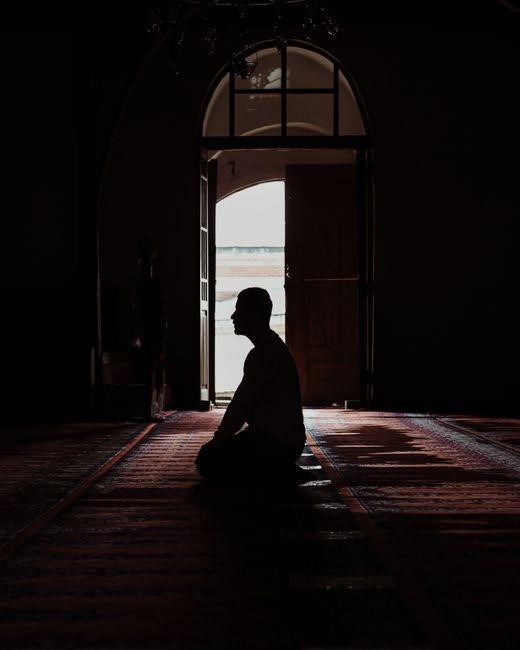
Begin by setting a quiet environment free from distractions. After performing the obligatory Isha prayer and its two Sunnah rak‘ahs‚ take a short break‚ then perform a fresh wudu. Sit down‚ recite the opening takbeer‚ and start the first rak‘ah. In the first rak‘ah‚ recite a short Surah‚ such as Al‑Fatiha followed by another short chapter. After standing‚ say the tashahhud‚ then sit for the second rak‘ah. Repeat the same rak‘ah‚ ensuring each rak‘ah is completed with the same structure. After the second rak‘ah‚ perform the final tashahhud and the salutation. If you wish to add more rak‘ahs‚ repeat the same pattern‚ ensuring each rak‘ah is completed with the same structure. Between rak‘ahs‚ you may recite personal duas or short Qur’an verses from your PDF collection. Conclude the prayer with the final salutation‚ then spend a few minutes in silent reflection‚ thanking Allah for the opportunity to seek His mercy. This structured approach ensures focus and consistency‚ allowing the heart to remain centered throughout the night. Remember that each rak‘ah is an opportunity to deepen your connection with the Divine. By maintaining a calm and focused mindset‚ you can experience a profound sense of tranquility and spiritual clarity. Use this time to reflect on your deeds‚ seek forgiveness‚ and ask for guidance in all aspects of life. The night’s quietness amplifies the sincerity of your supplications‚ making them more likely to be answered. Consistently practicing Tahajjud not only strengthens your faith but also cultivates r
Common Duas During Tahajjud
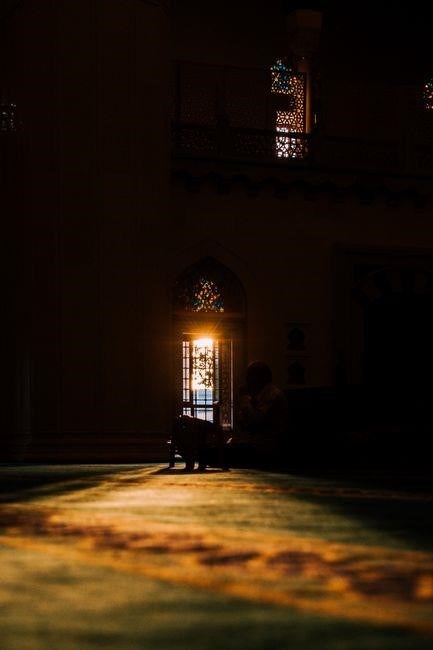
During Tahajjud‚ believers recite heartfelt supplications‚ seeking forgiveness‚ guidance‚ and blessings. Common verses include Al‑Fatiha‚ Al‑Qadr‚ and night prayer supplications from PDF collections. These supplications deepen awareness and strengthen the bond with Allah.!
Quranic Verses and Traditional Supplications
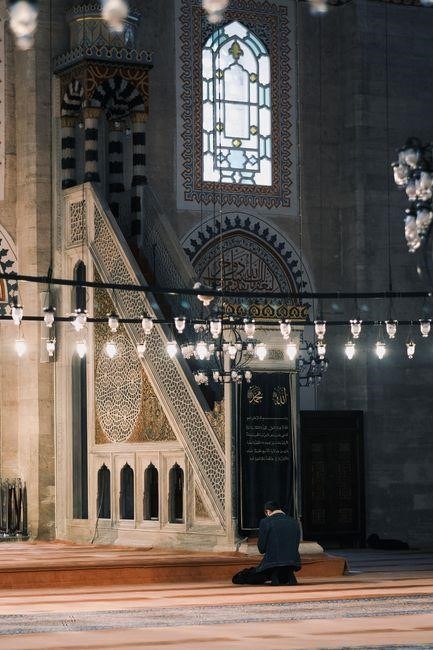
The night of Tahajjud is a sacred period where the faithful turn to the Qur’an for guidance and recite traditional supplications. Many use PDF compilations that list verses like Al‑Fatiha‚ Al‑Qadr‚ and the last two chapters‚ as well as the Prophet’s dua after the obligatory night prayer. These PDFs provide Arabic text‚ transliteration‚ and English translation‚ enabling followers to recite with confidence. Common supplications include the dua for forgiveness‚ protection‚ and the powerful prayer “Allahumma inni a’udhu bika min al‑kufri wa al‑kufri.” By using these resources‚ worshippers maintain consistency‚ ensuring sincerity and reverence in each night’s prayer. PDFs also guide proper recitation‚ placement of hands‚ and recommended rak‘ahs. They serve as reliable references for beginners and seasoned practitioners‚ deepening connection with the Divine during quiet hours. The use of well‑structured PDF documents creates a comprehensive framework that supports spiritual growth and devotion during Tahajjud. PDFs often include a section on the recommended number of rak‘ahs‚ suggesting eight to ten for most worshippers‚ while also offering flexibility for those with physical constraints. Many PDFs also provide a short guide on how to perform the sujud correctly‚ reminding worshippers to keep their forehead‚ nose‚ hands‚ knees‚ and toes in contact with the prayer mat. Additionally‚ several PDFs include a brief explanation of the etiquette for sitting between rak‘ahs‚ emphasizing humility and reflection during the brief pause. PDFs offer audio recitations worships.
Personal Dua Guidelines and Customization
When preparing a personal dua for Tahajjud‚ the first step is to review the PDF collections that compile authentic supplications. These documents often contain a section titled “Custom Duas” where you can find templates for gratitude‚ forgiveness‚ and requests for guidance. Begin by selecting a verse or dua that resonates with your current intention. For instance‚ the verse “Bismillahir‑Rahmanir‑Raheem” can serve as a gentle reminder of divine mercy. After choosing the core text‚ personalize it by adding specific requests: ask for health‚ family well‑being‚ or success in your endeavors. It is essential to keep the language sincere and heartfelt; the authenticity of a dua is judged by the sincerity of the heart rather than the complexity of words. Many PDFs provide transliteration and English translation‚ allowing you to practice the pronunciation before reciting. When customizing‚ maintain the structure of the original dua: keep the opening phrase‚ the core supplication‚ and the closing salutation. This preserves the spiritual integrity of the prayer. Additionally‚ consider setting a short reminder in your phone or a sticky note to prompt you at the designated Tahajjud time. The PDF can be printed and placed beside your prayer mat‚ serving as a visual cue. Finally‚ after reciting‚ take a moment to reflect on the meaning of each phrase‚ allowing the words to sink into your consciousness. This mindful approach transforms a simple recitation into a profound dialogue with the Divine. Embrace each night with sincerity and let your heart guide your words
Accessing Tahajjud Dua PDFs
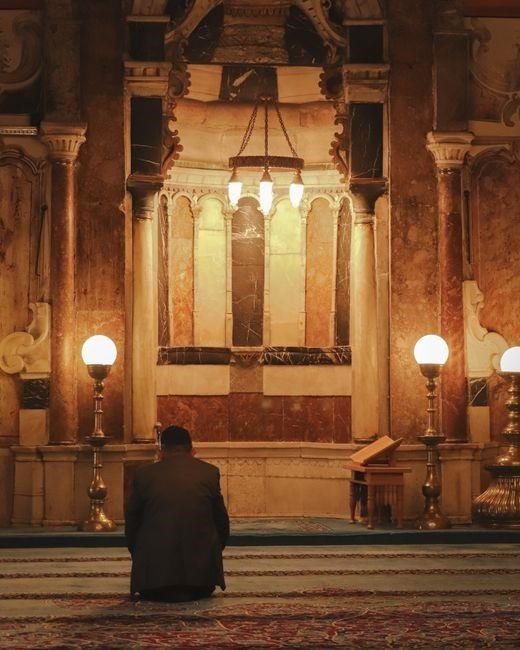
To access reliable Tahajjud dua PDFs‚ start by visiting reputable Islamic websites or official mosque portals. Look for sections labeled “Supplications” or “Night Prayers.” Download the PDF‚ verify authenticity through scholar endorsements‚ then save or print for nightly use. Store it in a safe folder for quick
Finding Reliable Sources Online
When searching for Tahajjud dua PDFs‚ prioritize authenticity and scholarly endorsement. Begin with well‑known Islamic institutions such as Al‑Jazeera‚ Al‑Huda‚ or the official websites of recognized scholars. These platforms often host downloadable PDFs that have been vetted for accuracy. Additionally‚ reputable academic portals‚ university libraries‚ and established online libraries like Al‑Maktaba Al‑Sharif can provide trustworthy resources. Always cross‑reference the PDF’s author or publisher with recognized scholars or official religious bodies. Look for signatures or citations that confirm the content aligns with classical tafsir and hadith collections. If the PDF includes a preface or introduction‚ verify that it cites primary sources and includes a disclaimer about its authenticity. Avoid sites that lack clear authorship or offer unverified compilations. Use search filters such as “verified” or “scholar endorsed” and check user reviews or academic citations. Finally‚ consider subscribing to reputable newsletters or forums that regularly share vetted PDF links‚ ensuring you receive updates on new‚ reliable collections of Tahajjud supplications. By maintaining a regular Tahajjud practice‚ you deepen your spiritual resilience and cultivate a peaceful inner sanctuary that endures throughout life’s challenges. Remember to review the dua regularly‚ adjust your wording to reflect personal circumstances‚ and seek guidance from knowledgeable scholars to ensure your supplications remain authentic and heartfelt. Keep practicing.!!!
Tips for Using and Printing PDF Resources
Before downloading a Tahajjud dua PDF‚ verify the source’s credibility—trusted academic or religious sites usually provide a digital signature or reference list. Open the file in a robust reader such as Adobe Acrobat or Foxit; which allow highlighting‚ bookmarking‚ and adding comments for quick reference during your nightly prayer. If you prefer a hard copy‚ print at 300‑dpi on thick matte paper to reduce glare and keep the Arabic script legible. Use the Print Preview to confirm margins and page alignment; many PDFs hide a table of contents that can be revealed by toggling “Show Page Thumbnails‚” which helps locate specific supplications. For long‑term use‚ bind the pages into a small booklet or place them in a spiral folder; this keeps the dua organized and portable. When sharing the PDF with a study group‚ send a read‑only link to prevent accidental edits. Enable duplex printing to save paper and set the layout to portrait for a traditional prayer format. If you wish to annotate‚ create a copy and add notes in a separate layer rather than editing the original; this preserves the text while allowing personalization. Store a backup on a cloud service or external drive to ensure access even if your device fails. By following these steps‚ you maintain the authenticity of the Tahajjud dua while making it readily available for nightly devotion‚ and share it responsibly with others Remember to review the PDF periodically for updates‚ as scholars may release revised editions to reflect daily scholarship correct typographical errors